
Health Awareness

Health Awareness

Diabetes

A chronic condition characterized by high blood sugar levels due to the body’s inability to produce or use insulin effectively.

  • Monitor blood glucose levels regularly.
  • Follow a balanced diet rich in fiber and low in sugar.
  • Incorporate regular physical activity into your routine.
  • Manage stress to prevent blood sugar spikes.
  • Adhere to prescribed medications and insulin therapy.

Hypertension (High Blood Pressure)

A condition where blood pressure in the arteries is consistently elevated, increasing the risk of heart disease and stroke.

  • Check blood pressure regularly at home or at a clinic.
  • Reduce sodium intake and eat a heart-healthy diet.
  • Engage in regular physical exercise.
  • Avoid excessive alcohol and quit smoking.
  • Take prescribed medications as directed by your healthcare provider.

Asthma

A respiratory condition characterized by inflamed and narrowed airways, causing difficulty breathing.

  • Identify and avoid asthma triggers (e.g., allergens, smoke).
  • Use prescribed inhalers and medications properly.
  • Monitor symptoms and peak flow rates regularly.
  • Keep your living environment free from dust and allergens.
  • Develop an asthma action plan with your healthcare provider.

Cholesterol Disorders

Abnormal levels of cholesterol in the blood that can lead to atherosclerosis and heart disease.

  • Get regular cholesterol screenings.
  • Eat a diet low in saturated and trans fats.
  • Increase dietary fiber intake with fruits, vegetables, and whole grains.
  • Exercise regularly to help improve cholesterol levels.
  • Take cholesterol-lowering medications if prescribed.

Osteoporosis

A condition where bones become porous and fragile, increasing the risk of fractures.
  • Ensure adequate intake of calcium and vitamin D.
  • Engage in weight-bearing and muscle-strengthening exercises.
  • Avoid smoking and excessive alcohol consumption.
  • Get bone density tests as recommended by your doctor.
  • Take prescribed medications to strengthen bones if needed.

Allergies

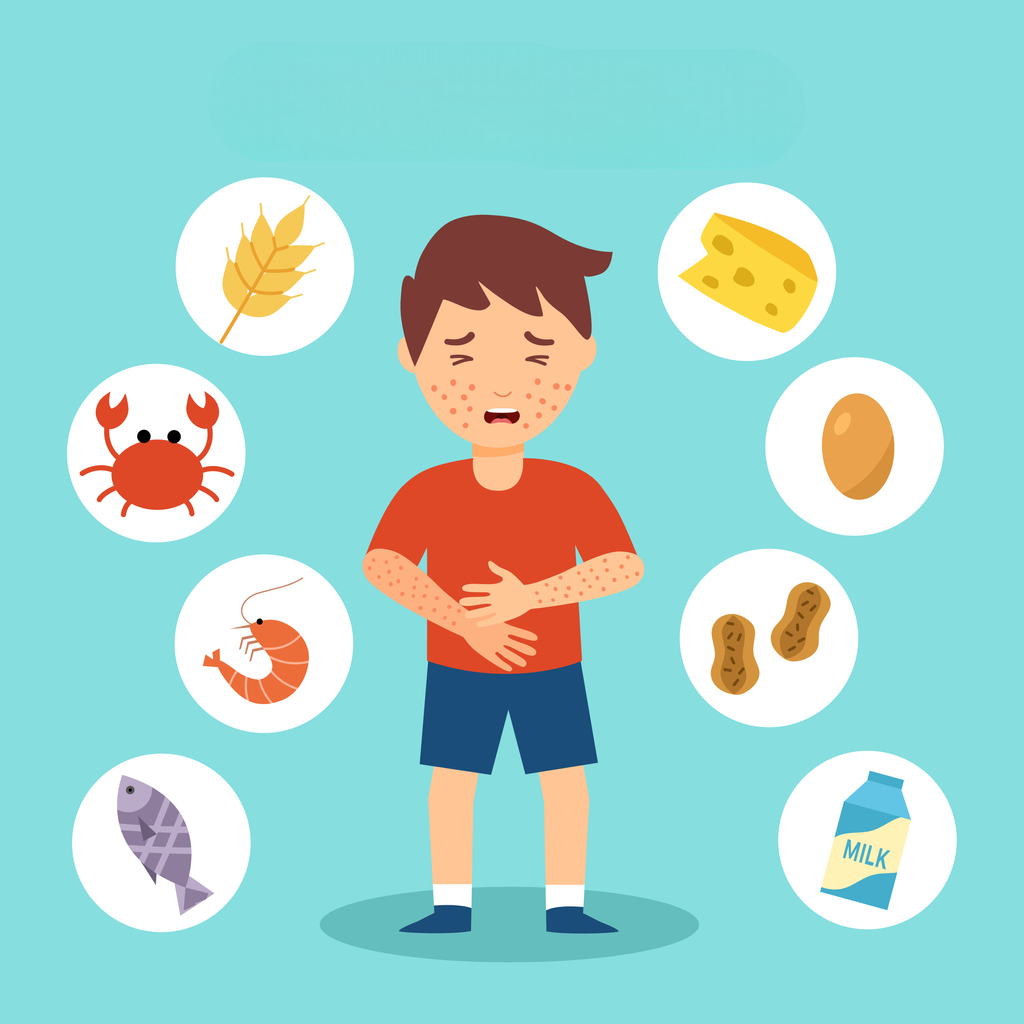
An immune system overreaction to substances (allergens) that are typically harmless.
  • Identify and avoid known allergens.
  • Use antihistamines and other allergy medications as directed.
  • Keep indoor air clean with air purifiers and dehumidifiers.
  • Consult with an allergist for personalized management.
  • Keep emergency medication (e.g., epinephrine) readily available if needed.

Gastroesophageal Reflux Disease (GERD)

A chronic digestive condition where stomach acid frequently flows back into the esophagus, causing irritation.

  • Avoid trigger foods and drinks like spicy foods, caffeine, and alcohol.
  • Eat smaller, more frequent meals rather than large ones.
  • Avoid lying down immediately after eating.
  • Use medications to manage acid reflux as prescribed.
  • Elevate the head of your bed to reduce nighttime symptoms.

Chronic Obstructive Pulmonary Disease (COPD)

A progressive lung disease that causes breathing difficulties, including emphysema and chronic bronchitis.

  • Avoid smoking and exposure to lung irritants.
  • Use inhalers and other medications as prescribed.
  • Participate in pulmonary rehabilitation programs.
  • Engage in regular physical activity to improve lung function.
  • Get annual flu and pneumonia vaccinations.

Mental Health Disorders (e.g., Depression, Anxiety):

Conditions that affect mood, thinking, and behavior, impacting daily life.

  • Seek professional help from a mental health provider.
  • Engage in therapy or counseling as recommended.
  • Take prescribed medications consistently.
  • Practice stress-reducing techniques like mindfulness and exercise.
  • Build a support network of friends and family.

Kidney Disease

Conditions that impair kidney function, potentially leading to kidney failure.

  • Monitor blood pressure and blood sugar levels regularly.
  • Reduce intake of high-sodium and high-protein foods.
  • Stay hydrated and avoid excessive use of over-the-counter pain medications.
  • Get routine kidney function tests if at risk.
  • Follow your healthcare provider’s advice on managing kidney health.

Infectious Diseases (e.g., Influenza, COVID-19)

Diseases caused by pathogens like viruses or bacteria that can spread between people.

  • Follow vaccination schedules and get vaccinated as recommended.
  • Practice good hygiene, including regular handwashing.
  • Use masks and maintain social distancing as needed.
  • Seek medical care if experiencing symptoms of an infection.
  • Stay informed about public health guidelines and outbreaks.

Arthritis

Inflammation of the joints causing pain, swelling, and reduced movement.

  • Take prescribed medications to manage pain and inflammation.
  • Engage in physical therapy and regular exercise.
  • Maintain a healthy weight to reduce joint stress.
  • Use supportive devices like braces or orthotics as needed.
  • Practice joint protection techniques to avoid injury.